Bambu Lab X1E Enterprise CoreXY · Heated Chamber · Network Security
Enterprise-grade enclosed CoreXY printing — a 60°C actively heated chamber and a 320°C hotend for engineering composites, with Ethernet and WPA2-Enterprise network security built in.
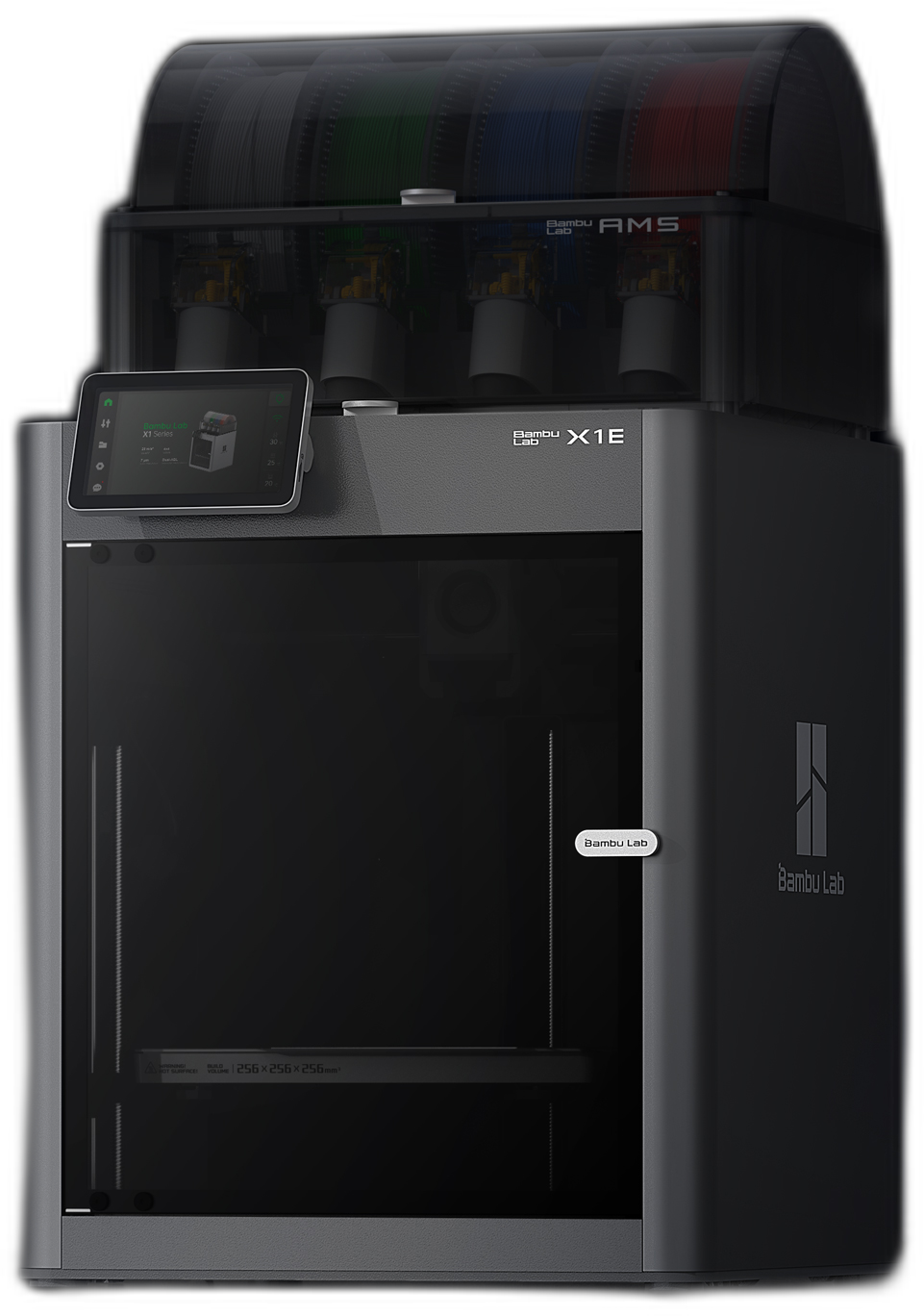
The Bambu Lab X1E is the enterprise member of the X1 series: a fully enclosed CoreXY printer built for engineering, security-conscious and production environments. It adds a 60°C actively heated chamber and a 320°C hotend for high-temperature and carbon-fiber engineering materials, hardened network security with a wired Ethernet port, WPA2-Enterprise Wi-Fi authentication and physical kill switches, and heavy-duty G3 + H12 HEPA air filtration — all on top of the X1 series’ Micro LiDAR calibration and AI failure detection. Full specifications →
The X1E is an enterprise machine sold through authorized resellers — Rev1 provides current pricing, lead time, and volume and security-deployment terms. Questions first? Call (248) 707-2950.
Genuine Bambu Lab Hardware, Supplied & Supported in the USA.
Rev1 Technologies supplies genuine Bambu Lab printers and filament to engineering teams, secure facilities and production floors across the United States. Enterprise quoting, deployment guidance, material selection, and US-based phone and video support are delivered from Auburn Hills, Michigan.


The enterprise X1: heat, security, and a sensor suite.
The X1E is what you deploy when a 3D printer has to meet engineering and IT requirements at the same time. It keeps the X1 series’ high-speed enclosed CoreXY motion, Micro LiDAR calibration and AI failure detection, then adds the things an enterprise or engineering team actually needs: a 60°C actively heated chamber and a 320°C hotend that unlock high-temperature and carbon-fiber engineering materials, hardened network security with wired Ethernet, WPA2-Enterprise authentication and physical kill switches, and heavy-duty G3 + H12 HEPA air filtration for shared and regulated spaces. Run it single-color, or add the AMS for 16-color, multi-material work. It is near-industrial capability that still fits on a bench and onto a corporate network. Here is what sets it apart.
A regulated, actively heated chamber holds warp-prone engineering polymers flat and strong — not just a passive enclosure.
A 320°C hardened all-metal hotend prints carbon- and glass-fiber composites and high-temperature engineering polymers.
Wired Ethernet, WPA2-Enterprise (EAP-PEAP / TLS / TTLS) Wi-Fi, physical kill switches and a LAN-only mode for secure facilities.
Bambu Micro LiDAR probes nozzle height, calibrates flow, and inspects the first layer at micron resolution — repeatable parts without manual tuning.
A G3 pre-filter and H12 HEPA filter capture fine particles and VOCs — built for offices, labs and shared production floors.
An onboard AI camera spots spaghetti and common failures and can pause the print — plus remote monitoring and timelapse.
Micron-level calibration, done for you.
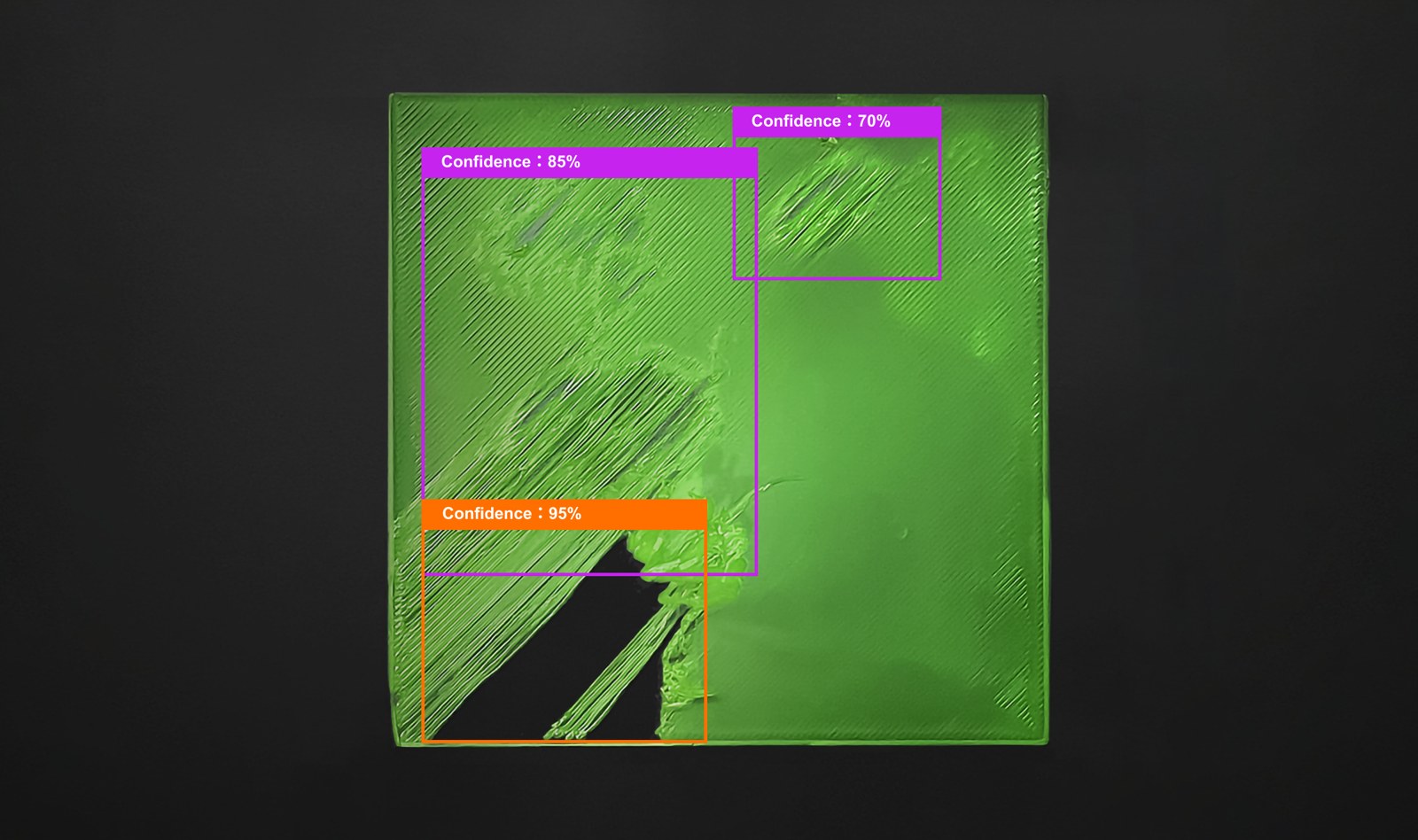
The sensor that takes calibration off your plate.
Bambu Micro LiDAR brings micron-level precision to the X1E: it probes nozzle height, calibrates extrusion flow, and scans the first layer automatically — the steps that usually decide whether a print succeeds or fails.
First-layer adhesion and correct flow are the two things that wreck more prints than anything else, and on most printers both are a manual ritual. The X1E’s LiDAR module measures them directly: it builds a precise height map for automatic bed leveling, runs a flow-calibration pass so extrusion is dialed in for the specific filament, and then inspects the first layer to confirm the foundation is good before the print commits hours to a bad start. For an engineering user that means repeatable, in-tolerance parts without babysitting calibration; for a fleet it means new operators get good first layers without years of tuning intuition. The sensor does the fussy work so you get consistent results print after print.
A 60°C active chamber and a 320°C hotend.
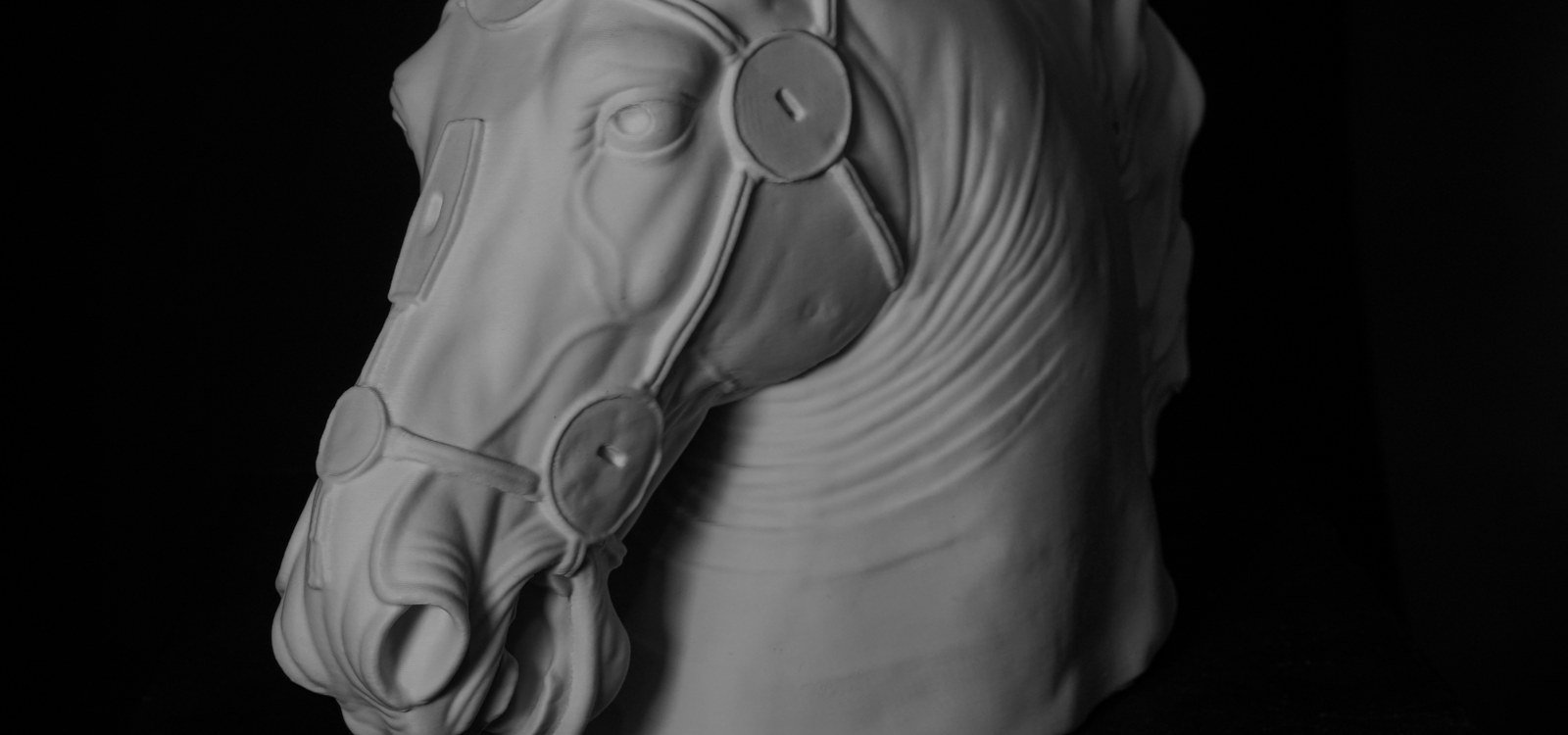
Print the materials that punish other printers.
An actively heated 60°C chamber holds warp-prone materials flat, while a 320°C hardened all-metal hotend handles abrasive carbon- and glass-fiber composites — PA-CF, PET-CF, PC and more — alongside ABS, ASA and the everyday filaments.
High-performance materials are exactly the ones that punish an open, soft-nozzle printer. ABS and ASA warp and crack without a stable warm chamber; PC and PA need heat; and carbon- and glass-filled filaments grind a brass nozzle to uselessness. The X1E is built for them: the actively heated enclosure regulates the build environment so big engineering parts stay flat with strong layer adhesion, and the 320°C hardened hotend resists the abrasion that reinforced composites cause — so a PA-CF bracket or a PET-CF fixture comes off the plate stiff, dimensionally stable and strong. Pair that with LiDAR flow calibration tuned to each material and you get functional, end-use parts — not just prototypes — from a desktop machine. Rev1 can recommend the right material and profile for your application.
Built to pass IT review.
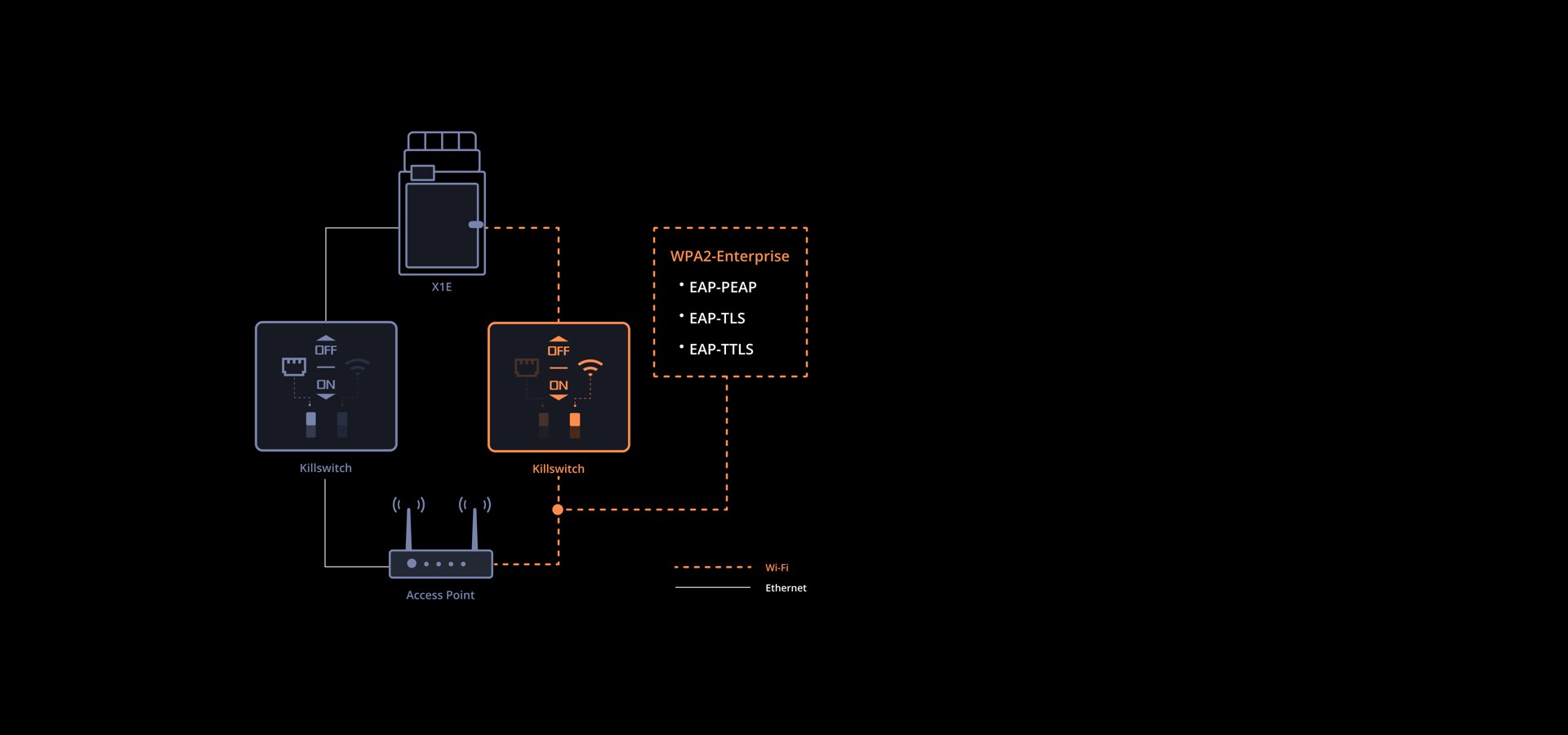
The X1 the IT department can sign off on.
The X1E is the security edition. It adds a wired Ethernet port for robust, predictable network communication, WPA2-Enterprise Wi-Fi authentication (EAP-PEAP / EAP-TLS / EAP-TTLS), and individual physical kill switches for both Wi-Fi and Ethernet — so connectivity meets stringent corporate and facility requirements.
Most desktop printers can’t get onto a managed enterprise network, which is why they end up on a side network or banned outright. The X1E is designed to clear that review: Ethernet gives a stable wired path in crowded-wireless or high-security environments, WPA2-Enterprise lets it authenticate against the same EAP infrastructure the rest of the fleet uses, and hardware kill switches let an administrator physically cut Wi-Fi, Ethernet, or both. Combined with a LAN-only operating mode that keeps jobs and data entirely on-premises, the X1E fits defense, aerospace, research and corporate environments where an internet-tethered consumer printer is a non-starter. Rev1 helps scope the deployment, network configuration and rollout for your facility.
A production-ready machine, out of the box.
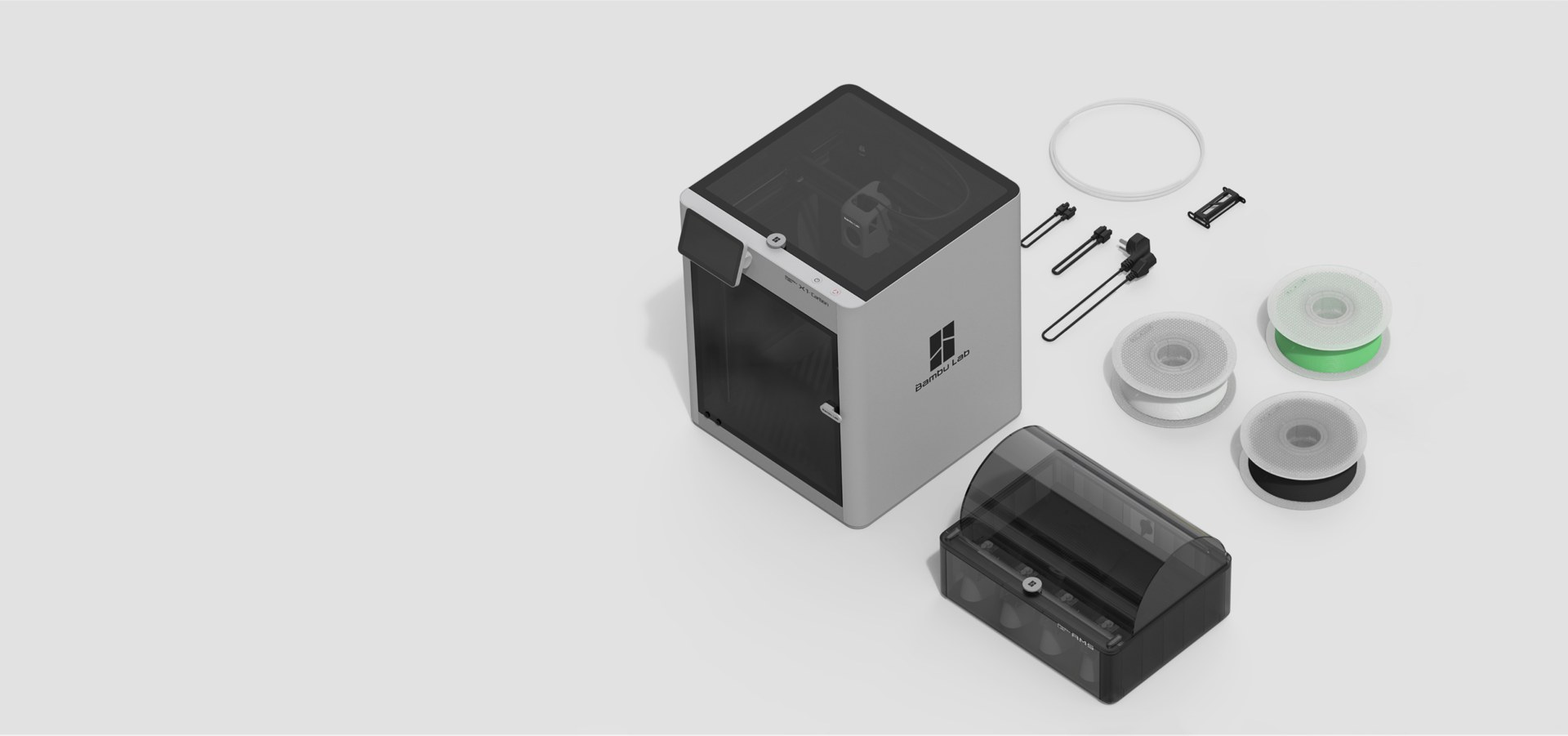
From engineering parts to a managed print fleet.
The X1E turns out everything from functional carbon-fiber brackets and high-temperature fixtures to crisp full-color models — the same machine, dialed in by LiDAR, covering the range. Fully assembled and self-calibrating, it deploys onto a secure network in minutes; add the AMS for up to 16-color, multi-material jobs with soluble supports; and manage one machine or a whole cell over LAN or cloud. Whether you are producing end-use engineering parts, standing up a secure print room, or scaling a production fleet, the X1E pairs near-industrial capability with the security and air-handling a real facility requires. Rev1 helps you match nozzle, material and rollout to the parts you make most.
Up to 16 colors, fully automatic.
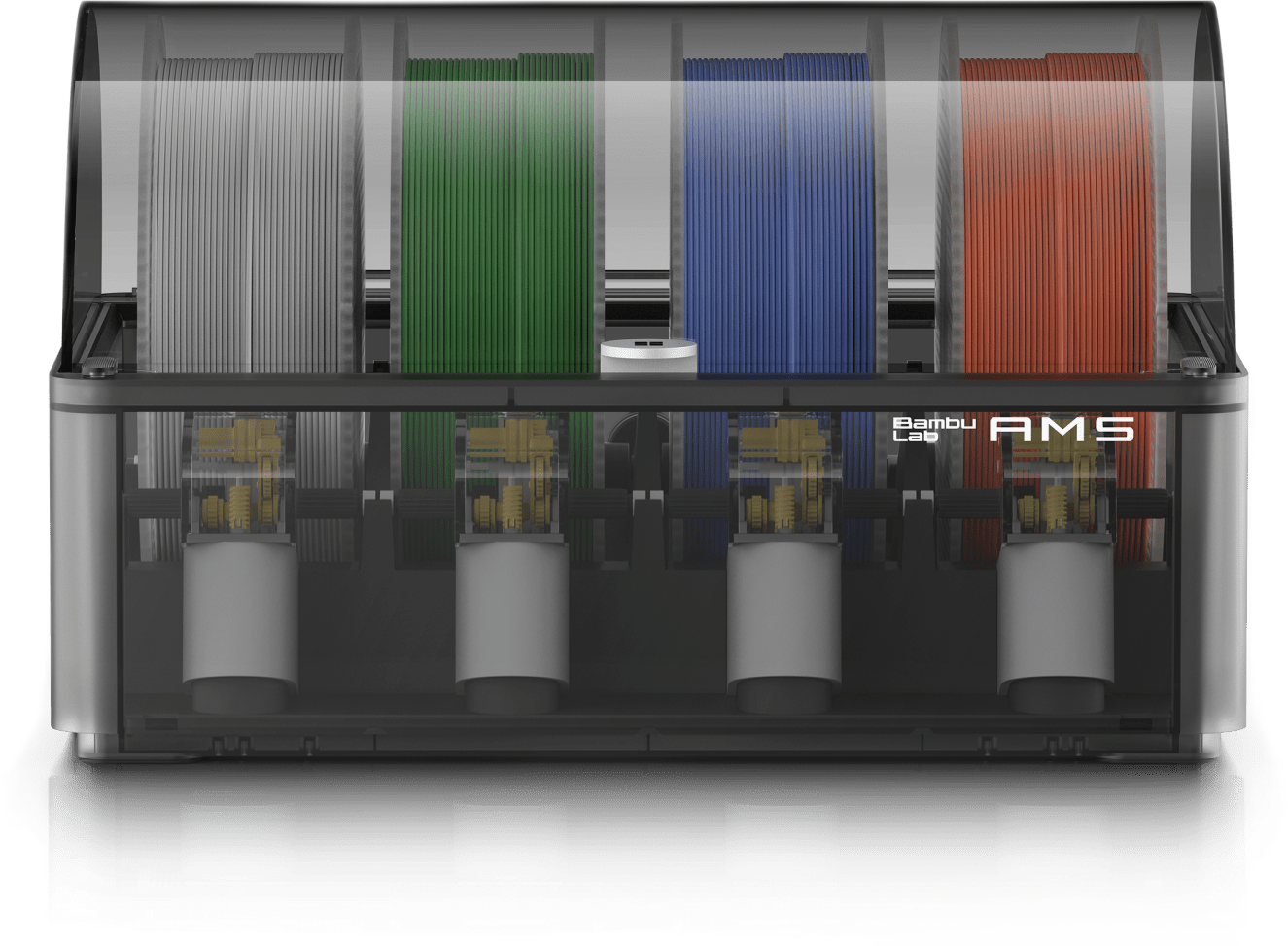
Automatic color and material switching.
The X1E is AMS-ready. One Automatic Material System holds four spools and switches between them mid-print; chain up to four for 16 colors, with RFID recognition that loads each filament’s settings automatically.
The AMS turns the X1E into a true multi-material platform. It feeds and swaps spools without intervention, reads filament type and color from RFID so profiles load themselves, and keeps spools sealed and dry in an enclosed bay — important for the engineering materials the X1E is built to run. That enables full-color models, multi-material parts with dissolvable supports, and long unattended jobs that never pause to change filament. Because it is modular, you can buy the printer now and add multi-material capability when a project needs it. Rev1 can spec the right AMS configuration and a starter material set for your work.
It watches the print so you don’t have to.
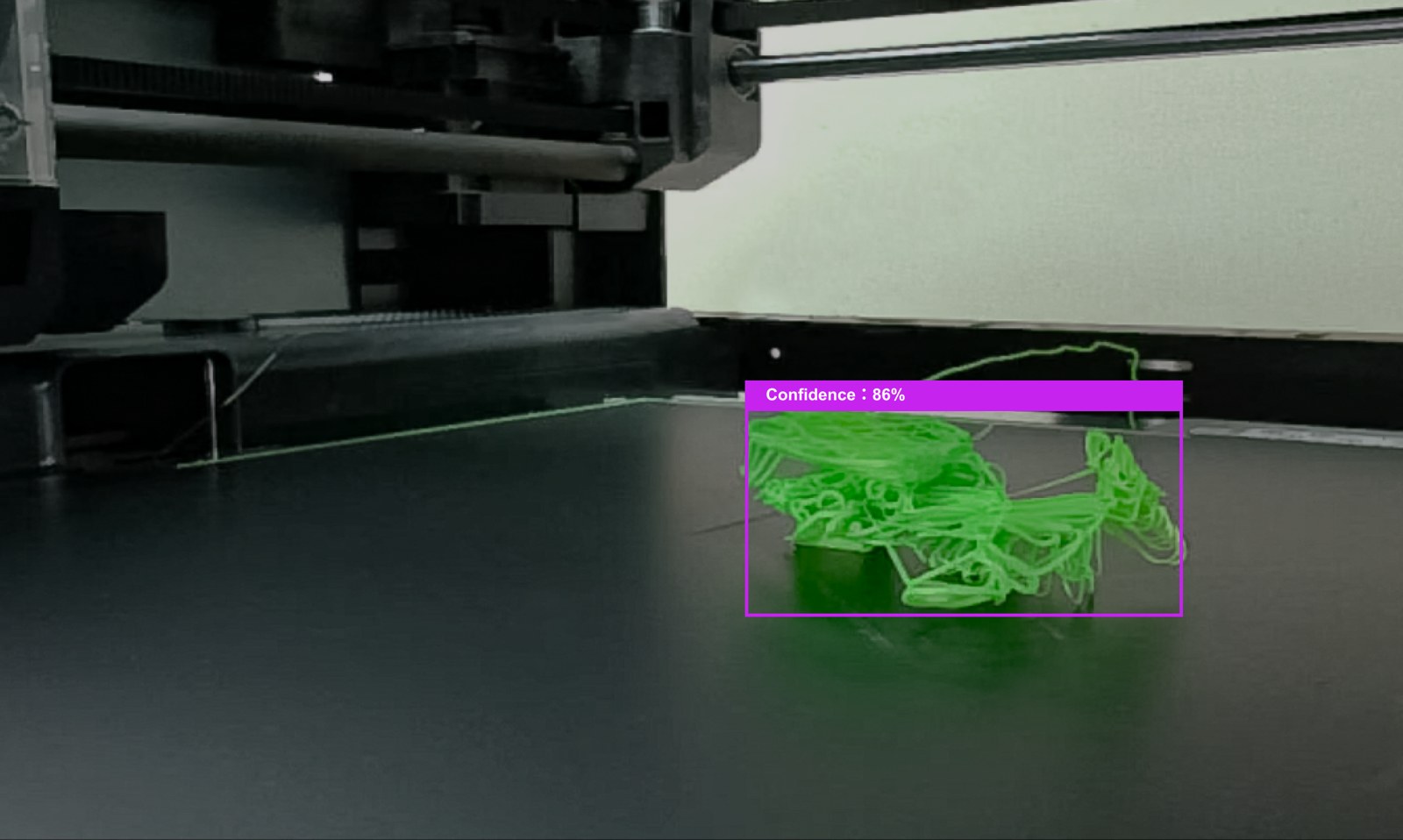
Catch failures before they waste a spool.
An onboard AI camera monitors the build and detects common failures — like spaghetti from a detached part — so it can alert you or pause the job before a whole night’s print and a spool of filament are lost.
Unattended printing only saves time if a failure does not run for hours. The X1E’s camera does AI-based failure detection, watching for the tell-tale signs of a print that has come loose or gone wrong and stepping in early. The same camera streams live and records timelapses, so you can check a print remotely, start and stop jobs, and keep an eye on a fleet of machines without standing over them — over the cloud, or kept entirely on your LAN for security. For a lab, a secure print room, or a production cell, that monitoring is what makes truly hands-off printing practical — you find out about a problem in a notification, not the next morning. LiDAR first-layer inspection adds a second safety net at the most failure-prone moment of the print.
Built for engineering and high-temperature materials.
Because it has an actively heated 60°C chamber and a 320°C hardened all-metal hotend, the X1E prints the full spectrum — from everyday PLA and PETG to engineering composites and high-temperature polymers — and it is an open system, so you can run genuine Bambu Lab filament with automatic RFID settings or any standard 1.75 mm spool. This is the X1 model to choose when warp-prone, reinforced or high-temp materials are the job.
PLA, PETG, TPU, PVA and BVOH print fast and clean — the bulk of model, prototype and functional work, dialed in by LiDAR.
ABS, ASA, PC, PA and PET run in the actively heated chamber that keeps these warp-prone, high-temperature materials flat and strong.
Reinforced PA, PET, PC, ABS and ASA composites print on the 320°C hardened hotend for stiff, dimensionally stable end-use parts.
How the X1E compares.
| Capability | Bambu Lab X1E | UltiMaker S5 | Raise3D Pro3 |
|---|---|---|---|
| Active heated chamber | Yes — 60°C | No (passive) | No (passive enclosure) |
| Hotend max temp | 320°C | 280°C | 300°C |
| Enterprise network security | Ethernet + WPA2-Enterprise + kill switches | Wi-Fi / Ethernet | Wi-Fi / Ethernet |
| LiDAR / AI failure detection | Yes — both | Camera only | Camera only |
| Max speed | 500 mm/s CoreXY | ~24 mm³/s | ~150 mm/s |
| Approx. price | ~$2,699 | ~$6,000 | ~$3,999 |
Comparison sourced from published manufacturer data at build time; prices are approximate and vary with promotions, tariffs and bundles. The X1E’s distinction is delivering an actively heated chamber, a 320°C hotend, the full LiDAR + AI sensor suite, and genuine enterprise network security at a fraction of the price of established engineering and enterprise machines. The UltiMaker S5 and Raise3D Pro3 are proven dual-extrusion platforms priced well above it; the X1E is the choice when you want heated-chamber engineering capability and IT-grade network security without an industrial budget. Match the model to your materials, security requirements and fleet plans.
Bambu Lab X1E Technical Data
RESOURCES
Downloads & Technical Support
Everything you need to evaluate, deploy and run your Bambu Lab X1E with confidence.
WHY REV1 TECH
Genuine Bambu Lab Hardware. Additive Manufacturing Specialists.
Rev1 Technologies is an additive-manufacturing supplier headquartered in Auburn Hills, MI, with hands-on expertise across FDM printers, engineering materials and secure production workflows.
Rev1 Technologies serves engineers, secure facilities and production teams across the USA. We don’t just ship boxes — we help you scope the deployment, dial in engineering materials, configure the network, and keep the machine producing on genuine Bambu Lab hardware and filament.
Bambu Lab X1E questions.
What is the difference between the X1E and the X1-Carbon?
The X1E is the enterprise edition. It shares the X1-Carbon’s enclosed CoreXY platform, Micro LiDAR and AI failure detection, and adds three things engineering and IT teams need: an actively heated 60°C chamber and a 320°C hotend for high-temperature and reinforced engineering materials, hardened network security (wired Ethernet, WPA2-Enterprise authentication and physical kill switches), and heavy-duty G3 + H12 HEPA air filtration. Choose the X1E when you need heated-chamber materials, secure-network deployment, or both.
What makes the X1E “enterprise” from a security standpoint?
It is designed to pass corporate IT review. The X1E offers a wired Ethernet port for stable, predictable networking; WPA2-Enterprise Wi-Fi authentication via EAP-PEAP, EAP-TLS and EAP-TTLS so it works with managed enterprise networks; individual physical kill switches for Wi-Fi and Ethernet; and a LAN-only mode that keeps print jobs and data entirely on-premises. That combination fits defense, aerospace, research and corporate environments where an internet-tethered consumer printer isn’t allowed.
What materials can the X1E print?
The full spectrum. Everyday PLA, PETG, TPU, PVA and BVOH; engineering and high-temperature ABS, ASA, PC, PA and PET; and carbon- and glass-fiber reinforced composites. The actively heated 60°C chamber keeps warp-prone materials flat, and the 320°C hardened all-metal hotend handles abrasive reinforced filaments — so you get strong, dimensionally stable, end-use parts, not just prototypes.
How is the heated chamber different from the X1-Carbon’s enclosure?
The X1-Carbon has a passive enclosure that traps process heat; the X1E adds an actively heated chamber regulated up to 60°C. Active heating holds a stable, even temperature across tall and large engineering parts, which improves layer adhesion and dimensional stability on warp-prone materials like ABS, ASA, PC and PA — the difference between a part that comes off the plate usable and one that cracks or curls.
Can it run offline / without the cloud?
Yes. The X1E supports a LAN-only mode so jobs, monitoring and data stay entirely on your local network with no cloud dependency, which is often a requirement in secure facilities. You can still use cloud and the Bambu Handy app for convenience if your environment allows it — the choice is yours, and the physical kill switches let an administrator enforce it.
Does the X1E support the AMS and multi-color printing?
Yes. The X1E is AMS-ready; one Automatic Material System holds four spools and up to four chain together for 16-color printing, with automatic switching and RFID recognition of genuine Bambu Lab filament. The sealed AMS bay also keeps engineering materials dry. You can start single-color and add the AMS later.
How much does the X1E cost, and how do I buy it?
The X1E is an enterprise machine sold through authorized resellers rather than at consumer retail, so pricing is provided per order. Rev1 is an authorized reseller and quotes current X1E pricing, lead time, and enterprise and volume terms — request a quote and we’ll reply within one business day.
Is the X1E a good choice for a secure print room or production fleet?
It is purpose-built for it. Enterprise network security gets it onto a managed network, LiDAR auto-calibration means new units and operators produce good first layers without deep tuning, AI failure detection limits wasted runs on unattended jobs, and LAN or cloud fleet control lets one person manage several printers. The heated chamber and 320°C hotend keep engineering parts consistent across a batch. Rev1 quotes enterprise and multi-unit orders with deployment support.
How does Rev1 support the purchase?
Rev1 ships genuine, fully-assembled Bambu Lab hardware from US stock, provides enterprise and volume quoting, helps scope the network and security deployment, and supports setup, slicing, engineering-material tuning and troubleshooting for the life of the machine.