Bambu Lab X1-Carbon LiDAR-Calibrated, Enclosed, Carbon-Fiber Ready
LiDAR-Calibrated, Enclosed, Carbon-Fiber Ready
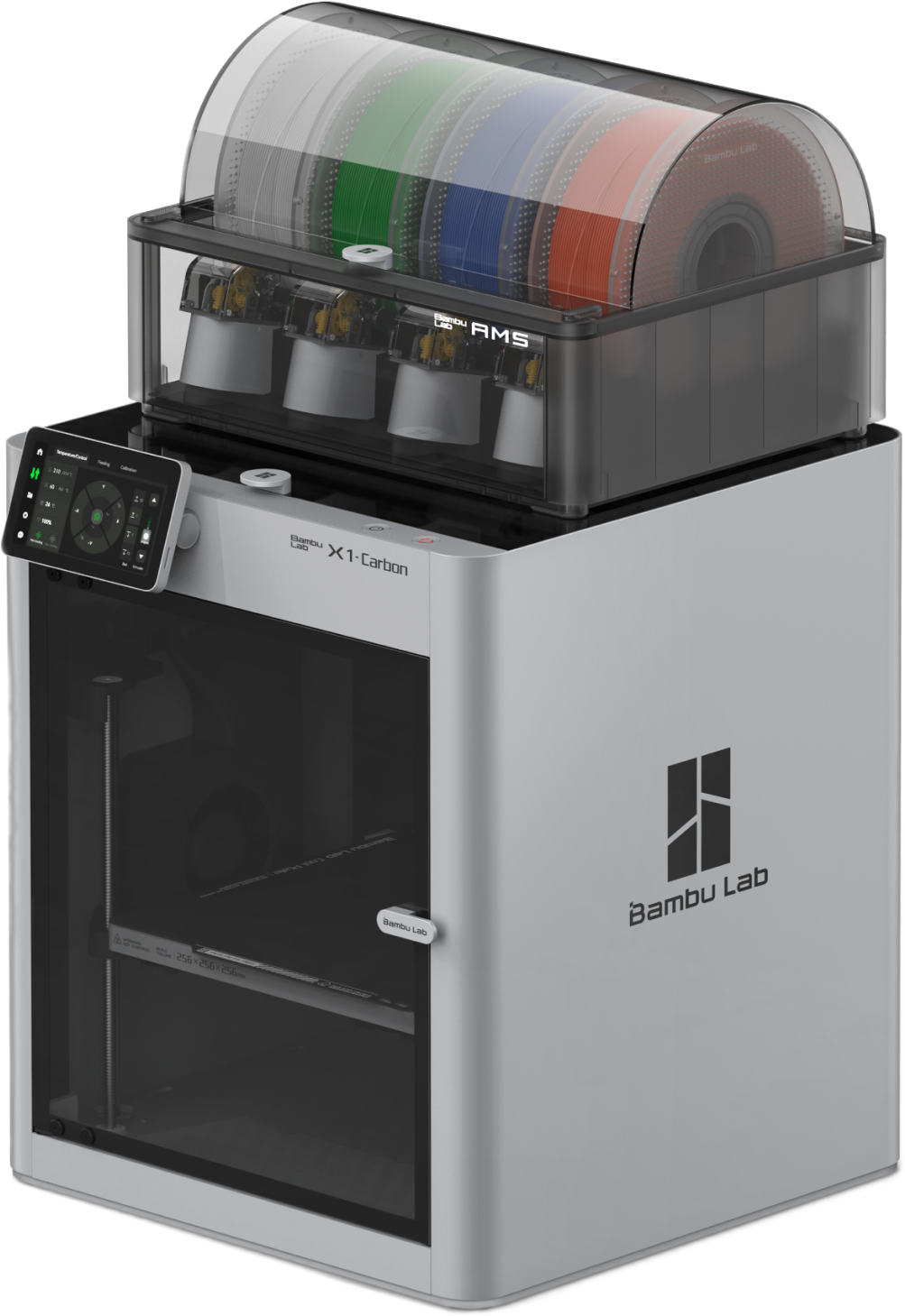
The Bambu Lab X1-Carbon is the flagship of the X1 series: a fully enclosed CoreXY printer that pairs 500 mm/s speed with Bambu Micro LiDAR for micron-level calibration and first-layer inspection, a 300°C hardened all-metal hotend that prints carbon- and glass-fiber composites, and an AI camera that catches failures before they ruin a print. Add the AMS for 16-color, multi-material printing. It is near-industrial capability in a quiet, desktop-friendly machine. Full specifications →
The X1-Carbon is being phased out — Rev1 can confirm current availability or recommend the newer Bambu models that replace it. Call (248) 707-2950.
Genuine Bambu Lab Hardware, Supplied & Supported in the USA.
Rev1 Technologies supplies genuine Bambu Lab printers and filament to engineers, schools and production teams across the United States. Setup guidance, material selection, Klarna financing, and US-based phone and video support are delivered from Auburn Hills, Michigan.


The flagship: speed, accuracy, and a sensor suite.
The X1-Carbon is what you reach for when a print has to be right, not just fast. It keeps the X1 series’ high-speed CoreXY motion and adds the things a production or engineering user actually needs: Bambu Micro LiDAR that calibrates flow and inspects the first layer at micron resolution, a fully enclosed chamber and a 300°C hardened hotend that together unlock carbon-fiber, glass-fiber and high-temperature engineering materials, and an AI camera that watches the build and flags failures before they waste a spool. Run it single-color out of the box, or add the AMS for 16-color, multi-material work. It is near-industrial capability that still fits on a bench and runs quietly in an office. Here is what sets it apart.
Bambu Micro LiDAR probes nozzle height, calibrates flow, and scans the first layer at micron resolution — accuracy without manual tuning.
An enclosed chamber and 300°C hardened all-metal hotend print carbon- and glass-fiber composites and high-temp engineering polymers.
Flagship CoreXY motion at 500 mm/s and 20,000 mm/s², kept accurate by vibration compensation and dual auto bed leveling.
An onboard AI camera spots spaghetti and common failures and can pause the print — plus remote monitoring and timelapse.
Add the AMS for automatic multi-color and multi-material printing — up to four units for 16 colors with RFID recognition.
Genuine Bambu Lab hardware with US warehouse stock, fully-assembled delivery, and setup and materials help from Rev1.
Micron-level calibration, done for you.
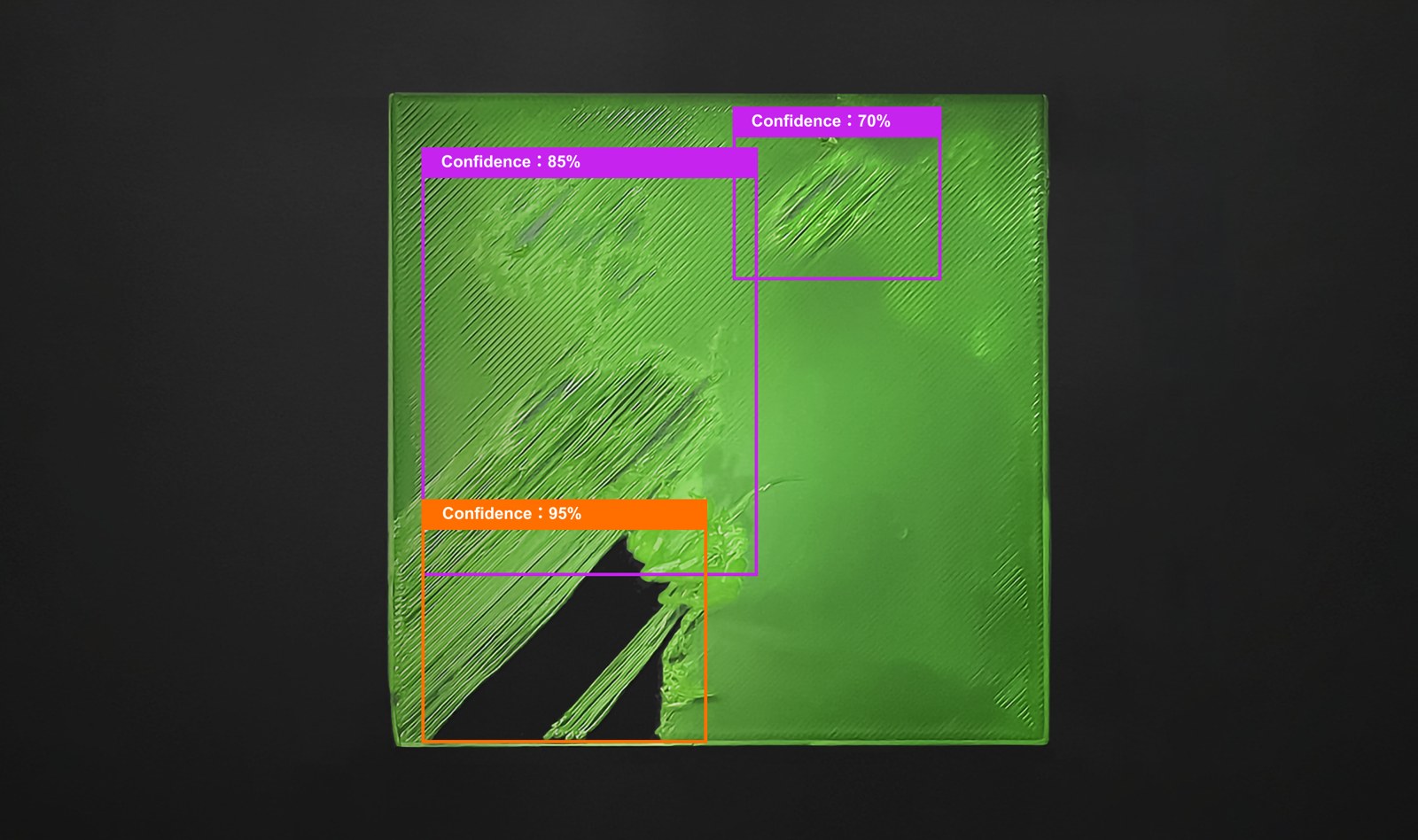
The sensor that takes calibration off your plate.
Bambu Micro LiDAR brings micron-level precision to the X1-Carbon: it probes nozzle height, calibrates extrusion flow, and scans the first layer automatically — the steps that usually decide whether a print succeeds or fails.
First-layer adhesion and correct flow are the two things that wreck more prints than anything else, and on most printers both are a manual ritual. The X1-Carbon’s LiDAR module measures them directly: it builds a precise height map for automatic bed leveling, runs a flow-calibration pass so extrusion is dialed in for the specific filament, and then inspects the first layer to confirm the foundation is good before the print commits hours to a bad start. For an engineering user that means repeatable, in-tolerance parts without babysitting calibration; for a shop running a fleet it means new operators get good first layers without years of tuning intuition. The sensor does the fussy work so you get consistent results print after print.
A sealed chamber and a 300°C hardened hotend.
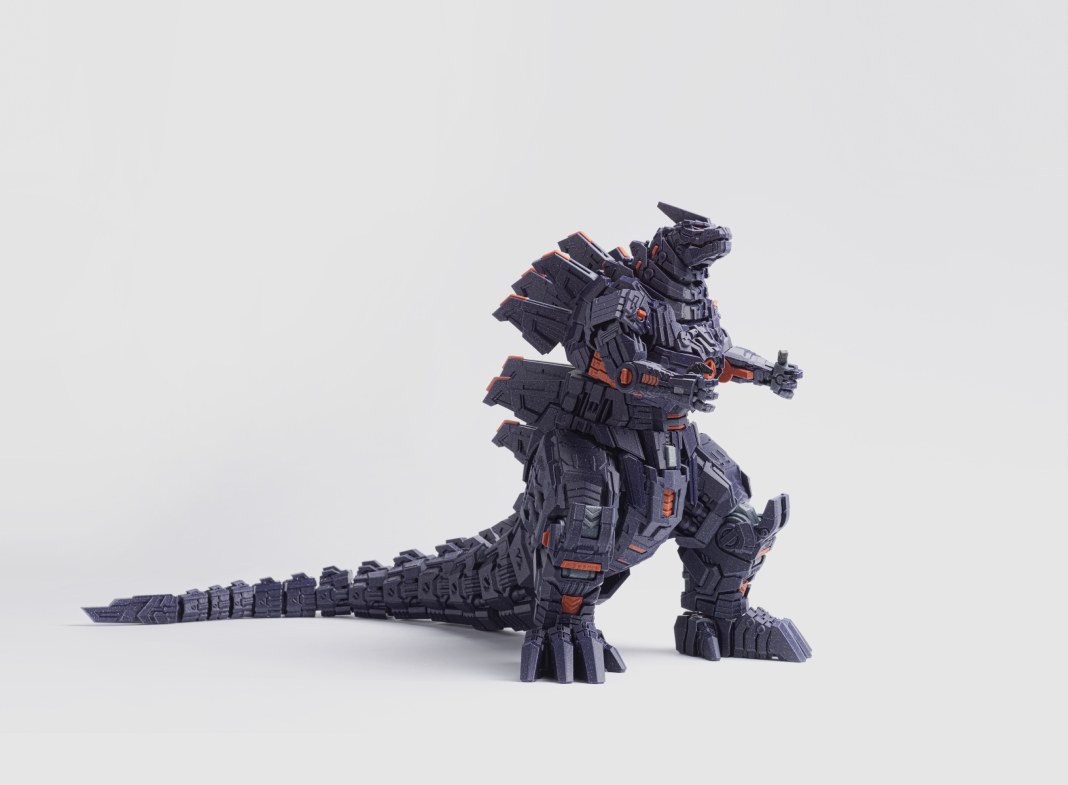
Print the materials that matter for real parts.
The fully enclosed chamber holds heat steady so warp-prone materials stay flat, while a 300°C hardened all-metal hotend handles abrasive carbon- and glass-fiber composites — PA-CF, PET-CF and more — alongside ABS, ASA, PC and the everyday filaments.
High-performance materials are exactly the ones that punish an open, soft-nozzle printer. ABS and ASA warp and crack without a stable warm chamber; PC needs heat; and carbon- and glass-filled filaments grind a brass nozzle to uselessness. The X1-Carbon is built for them: the sealed enclosure keeps the build environment warm and even for strong layer adhesion on big engineering parts, and the hardened hotend resists the abrasion that reinforced composites cause, so a PA-CF bracket or a PET-CF fixture comes off the plate stiff, dimensionally stable and strong. Pair that with LiDAR flow calibration tuned to each material and you get functional, end-use parts — not just prototypes — from a desktop machine. Rev1 can recommend the right material and profile for your application.
500 mm/s CoreXY, held accurate.
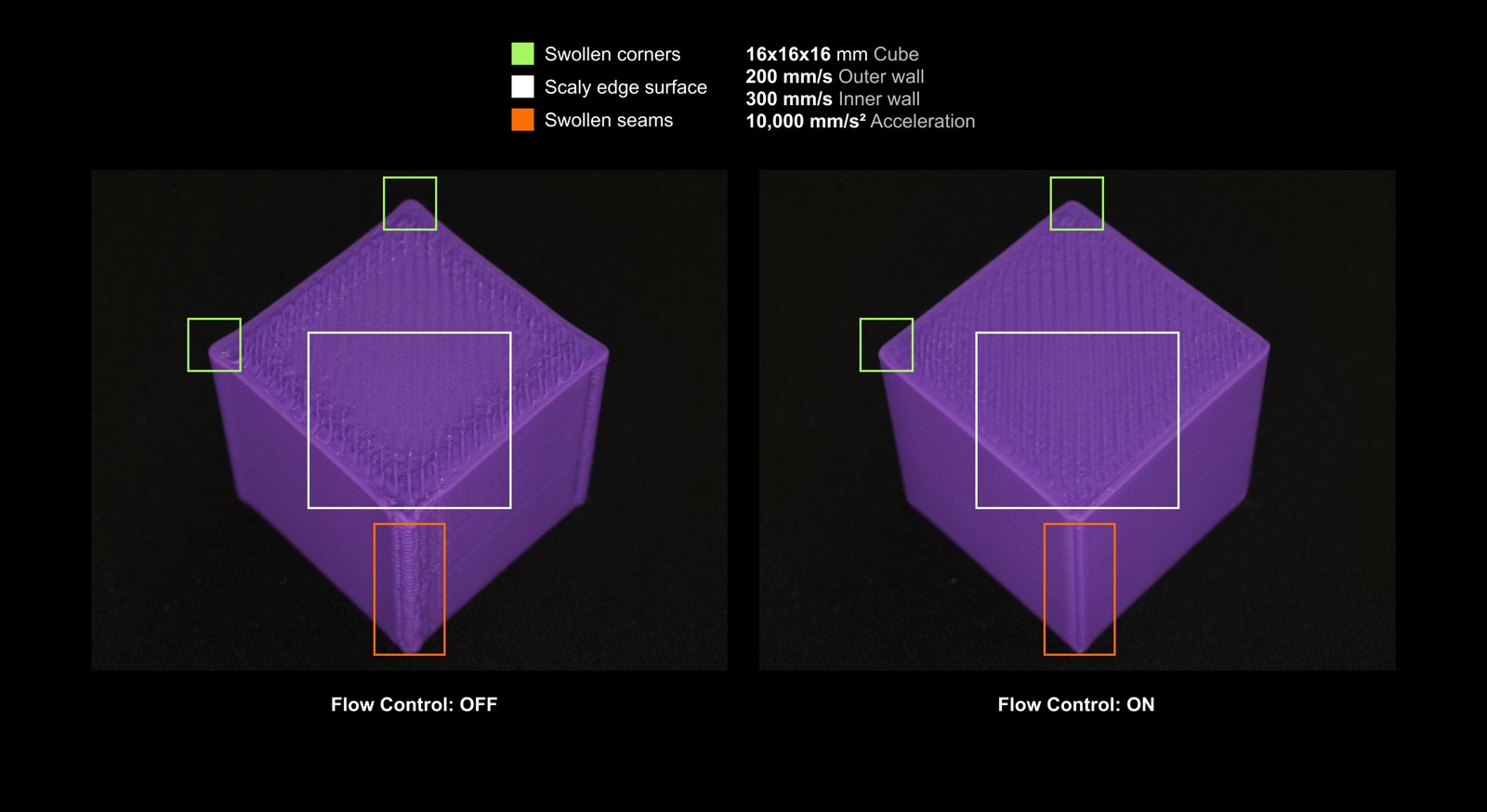
Fast moves without the ringing.
The X1-Carbon’s CoreXY gantry runs to 500 mm/s with 20,000 mm/s² acceleration, while vibration compensation and pressure advance suppress the ghosting and bulged corners that high speed normally introduces.
CoreXY keeps both motors fixed to the frame and moves only a light toolhead, which is what lets the X1-Carbon accelerate hard and still hold dimensional accuracy. Bambu’s motion algorithms do the rest: input shaping measures the machine’s resonant frequencies and cancels the vibration that causes ringing, and pressure advance manages extruder response through corners so walls stay even and edges stay sharp. The result is that the speed is usable, not just a spec — you get clean surfaces at throughput that turns an overnight job into an afternoon one. For iterative engineering work, that pace compounds: more design revisions per day, on a machine whose calibration holds steady.
Detailed, multi-color, production-grade prints.
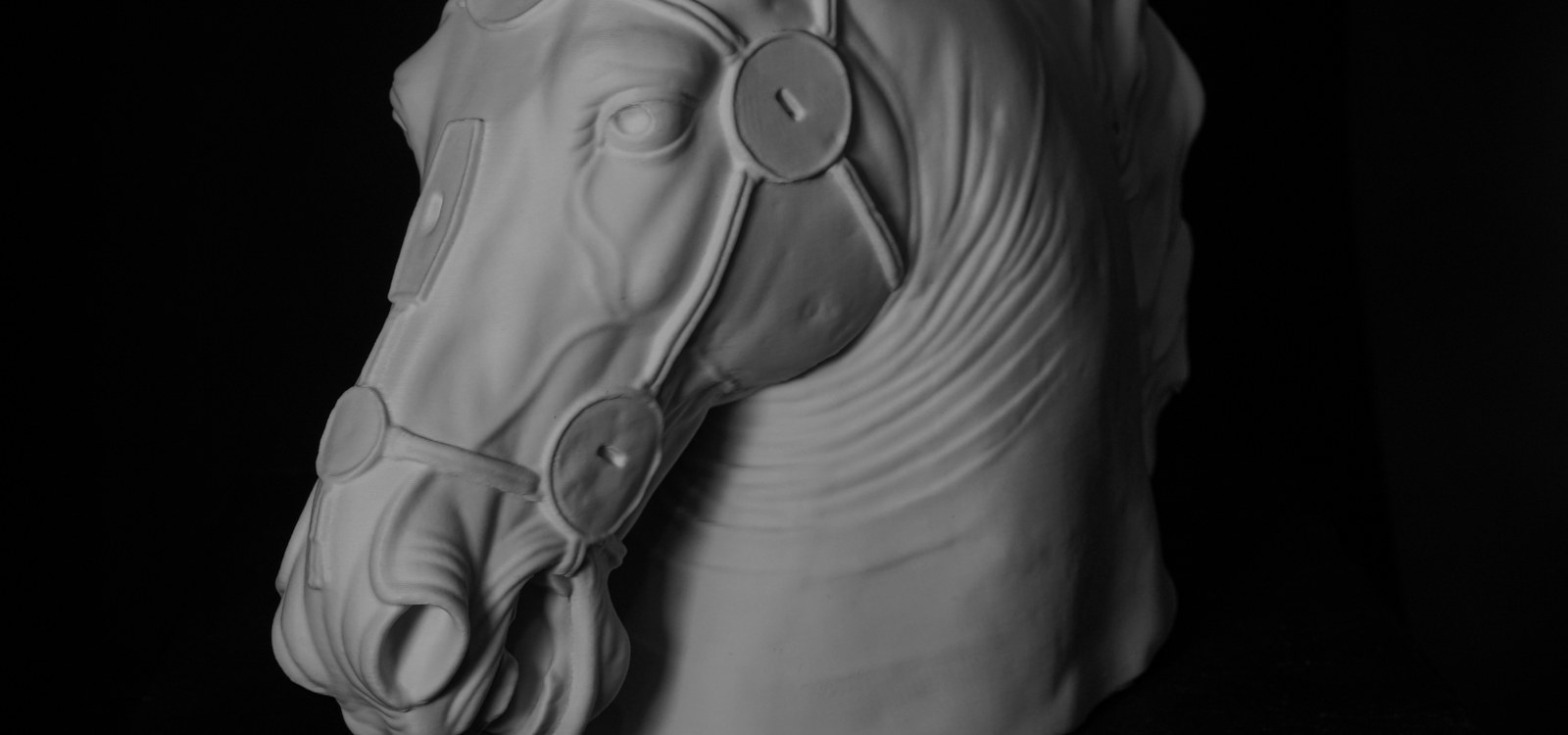
From engineering parts to full-color models.
The X1-Carbon turns out everything from functional carbon-fiber brackets and turbine impellers to crisp miniatures and full-color display models — the same machine, dialed in by LiDAR, covering the range. With the AMS it prints in up to 16 colors and combines materials in a single job, including soluble supports for complex geometry. Whether you are producing end-use parts, prototyping for engineering, teaching a classroom, or running a small print farm, the combination of speed, sensors and the enclosed chamber delivers repeatable, professional results. Rev1 helps you match nozzle, material and settings to the parts you make most.
Up to 16 colors, fully automatic.
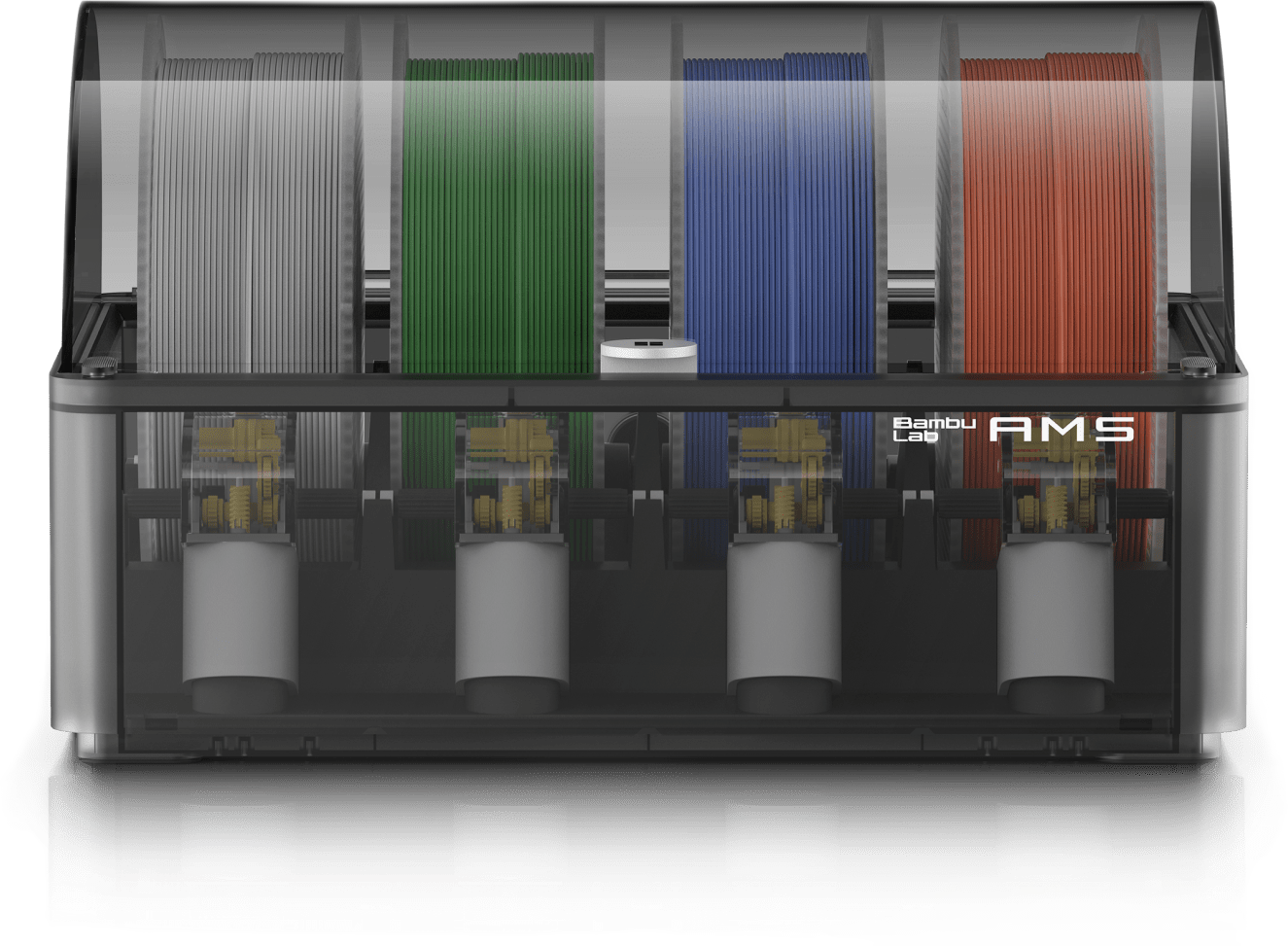
Automatic color and material switching.
The X1-Carbon is AMS-ready. One Automatic Material System holds four spools and switches between them mid-print; chain up to four for 16 colors, with RFID recognition that loads each filament’s settings automatically.
The AMS turns the X1-Carbon into a true multi-material platform. It feeds and swaps spools without intervention, reads filament type and color from RFID so profiles load themselves, and keeps spools sealed and dry in an enclosed bay — important for the engineering materials the X1-Carbon is built to run. That enables full-color models, multi-material parts with dissolvable supports, and long unattended jobs that never pause to change filament. Because it is modular, you can buy the printer now and add multi-material capability when a project needs it. Rev1 can spec the right AMS configuration and a starter material set for your work.
It watches the print so you don’t have to.
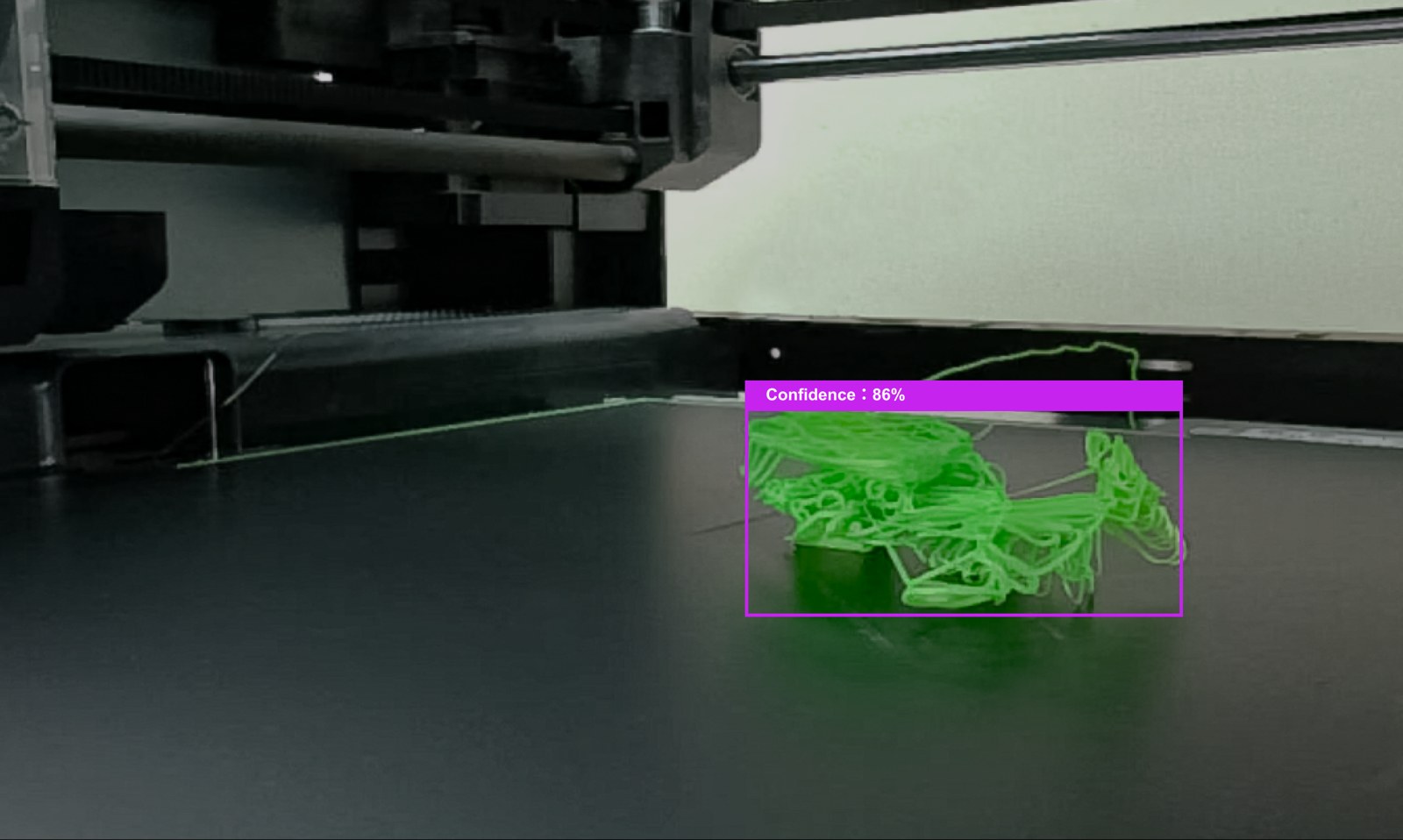
Catch failures before they waste a spool.
An onboard AI camera monitors the build and detects common failures — like spaghetti from a detached part — so it can alert you or pause the job before a whole night’s print and a spool of filament are lost.
Unattended printing only saves time if a failure does not run for hours. The X1-Carbon’s camera does AI-based failure detection, watching for the tell-tale signs of a print that has come loose or gone wrong and stepping in early. The same camera streams live to the Bambu Handy app and records timelapses, so you can check a print from your phone, start and stop jobs remotely, and keep an eye on a farm of machines without standing over them. For a classroom, an office, or a production cell, that monitoring is what makes truly hands-off printing practical — you find out about a problem in a notification, not the next morning. LiDAR first-layer inspection adds a second safety net at the most failure-prone moment of the print.
The widest material range in the X1 series.
Because it is enclosed and runs a 300°C hardened all-metal hotend, the X1-Carbon prints the full spectrum — from everyday PLA and PETG to engineering composites and high-temperature polymers — and it is an open system, so you can run genuine Bambu Lab filament with automatic RFID settings or any standard 1.75 mm spool. This is the X1 model to choose when warp-prone or reinforced materials are part of the job.
PLA, PETG, TPU and PET print fast and clean — the bulk of model, prototype and functional work, dialed in by LiDAR.
ABS, ASA, PC and PA run in the warm enclosed chamber that keeps these warp-prone materials flat and strong.
PA-CF, PET-CF and other reinforced composites print on the hardened hotend for stiff, dimensionally stable end-use parts.
How the X1-Carbon compares.
| Capability | Bambu Lab X1-Carbon | Bambu Lab P1S | Prusa MK4S |
|---|---|---|---|
| LiDAR / flow calibration | Yes — Micro LiDAR | No | No (load-cell) |
| Enclosure | Fully enclosed | Fully enclosed | Open (enclosure extra) |
| AI failure detection | Yes — AI camera | Basic camera | No (add-on) |
| Hotend | 300°C hardened | 300°C hardened | 290°C |
| Multi-color | AMS — up to 16 | AMS — up to 16 | MMU3 — 5 |
| Approx. price | ~$1,449 | ~$699 | ~$1,099 (kit) |
Comparison sourced from published manufacturer data at build time; prices are approximate and vary with promotions, tariffs and bundles. The X1-Carbon’s distinction is the full sensor suite — Micro LiDAR calibration and AI failure detection — on top of an enclosed, carbon-fiber-capable CoreXY platform. The P1S offers much of the same hardware without LiDAR at a lower price; the X1-Carbon is the choice when you want the sensors, the fastest setup, and the flagship feature set. Match the model to how hands-off and how precise you need the machine to be.
Bambu Lab X1-Carbon Technical Data
RESOURCES
Downloads & Technical Support
Everything you need to set up and run your Bambu Lab X1-Carbon with confidence.
WHY REV1 TECH
Genuine Bambu Lab Hardware. Additive Manufacturing Specialists.
Rev1 Technologies is an additive-manufacturing supplier headquartered in Auburn Hills, MI, with hands-on expertise across FDM printers, engineering materials and production workflows.
Rev1 Technologies serves engineers, schools and production teams across the USA. We don’t just ship boxes — we help you choose the right configuration, dial in engineering materials, and keep the machine producing on genuine Bambu Lab hardware and filament.
Bambu Lab X1-Carbon questions.
What does the LiDAR actually do?
Bambu Micro LiDAR brings micron-level precision (7 µm) to calibration: it probes nozzle height for automatic bed leveling, calibrates extrusion flow for the loaded filament, and scans the first layer to confirm a good foundation before the print continues. It automates the steps that cause most print failures, so you get consistent, in-tolerance results without manual tuning.
What is the difference between the X1-Carbon and the P1S?
Both are fully enclosed CoreXY printers with a 300°C hardened hotend and AMS support. The X1-Carbon adds the flagship sensor suite — Bambu Micro LiDAR for calibration and first-layer inspection, AI failure detection, and a larger 5″ touchscreen. The P1S delivers much of the same hardware without LiDAR at a lower price. Choose the X1-Carbon when you want the sensors, the most hands-off setup, and the top feature set.
Can it print carbon fiber and engineering materials?
Yes — that is a core reason to choose it. The fully enclosed chamber holds heat for warp-prone materials like ABS, ASA, PC and PA, and the 300°C hardened all-metal hotend resists the abrasion of carbon- and glass-fiber composites such as PA-CF and PET-CF. With LiDAR flow calibration tuned per material, you get strong, dimensionally stable functional parts.
How does AI failure detection work?
An onboard camera uses AI to watch for common print failures — like spaghetti from a part that has come loose — and can alert you or pause the job before it wastes hours and a spool of filament. The same camera streams live to the Bambu Handy app and records timelapses, so you can monitor and control prints remotely.
Can I print multiple colors?
Yes, with the AMS. The X1-Carbon is AMS-ready; one Automatic Material System holds four spools and up to four chain together for 16-color printing, with automatic switching and RFID recognition of genuine Bambu Lab filament. You can start single-color and add the AMS later.
Is it loud? Can it run in an office or classroom?
The enclosure helps contain noise and fumes, and the machine is designed to run in shared spaces like offices and classrooms. Combined with remote monitoring and AI failure detection, it is well suited to environments where it can’t be watched constantly. For materials like ABS that emit odor, good ventilation is still recommended — Rev1 can advise on setup.
Does it come assembled, and does it need the internet?
It ships fully assembled and auto-calibrates with LiDAR during setup. You can print over the cloud and the Bambu Handy app for convenience, or use LAN-only mode and a microSD card to keep everything local — the choice is yours.
Is the X1-Carbon a good choice for a print farm or production cell?
It is one of the most popular machines for exactly that. LiDAR auto-calibration means new units and new operators produce good first layers without deep tuning experience, AI failure detection limits wasted runs on unattended jobs, and cloud or LAN fleet control lets one person manage several printers at once. The enclosed chamber and hardened hotend keep engineering parts consistent across a batch. Rev1 quotes multi-unit and education orders with setup support so a farm or lab comes online smoothly.
Should I buy the standalone X1-Carbon or the AMS Combo?
If you only need single-color or single-material prints today, the standalone X1-Carbon gives you the full printer — LiDAR, enclosure, hardened hotend and AI camera — and you can add the AMS later. If multi-color or multi-material printing is part of your plan now, the AMS Combo bundles the Automatic Material System at a better combined price. Rev1 can compare current standalone and combo pricing and tell you which makes sense for your work.
How does Rev1 support the purchase?
Rev1 ships genuine, fully-assembled Bambu Lab hardware from US stock, helps you choose the right configuration and engineering materials, and supports setup, slicing and troubleshooting. Education and multi-unit pricing and Klarna are available for larger orders.